-
teléfono : +86-592-6382791
-
Email : sales@pidmaxwell.com
teléfono : +86-592-6382791
Email : sales@pidmaxwell.com


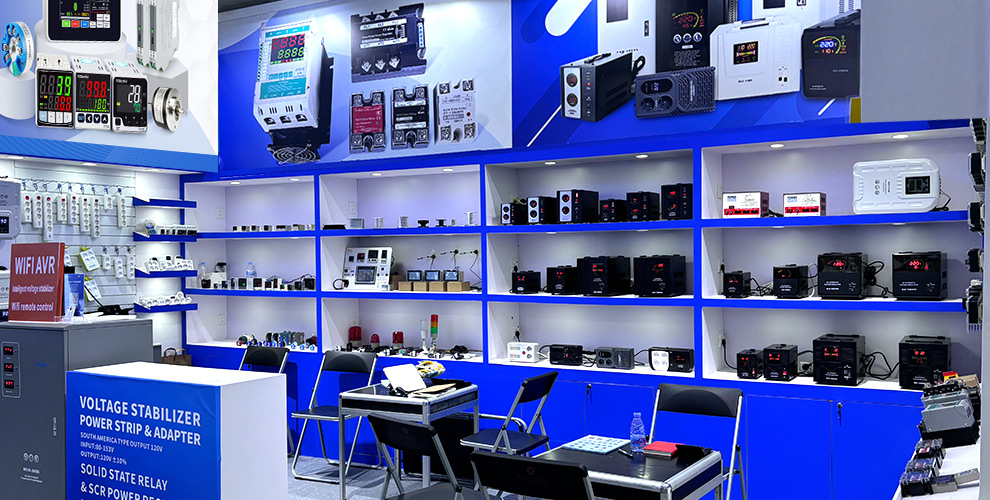
Al encontrarse por primera vez con los «reguladores de potencia SCR», muchos usuarios suelen confundirse con la terminología técnica y no tienen claro qué problemas prácticos resuelve el dispositivo. En realidad, su función es sencilla: no es simplemente un interruptor de encendido/apagado, sino un dispositivo capaz de ajustar de forma continua la potencia de calefacción eléctrica según los requisitos de temperatura. Con este dispositivo, la salida de calor ya no es un asunto de «todo o nada»; en su lugar, se vuelve suave, controlable y precisa, lo que marca la diferencia fundamental frente a los contactores tradicionales.
En los sistemas de calefacción eléctrica, los elementos calefactores requieren energía para generar calor. Si se controlan únicamente mediante contactores, estos elementos quedan limitados a dos estados extremos: calefacción a plena potencia o apagado total. Este control tan básico de encendido/apagado suele provocar fluctuaciones de temperatura similares a una montaña rusa en aplicaciones que requieren temperaturas constantes, lo que dificulta cumplir con las especificaciones del proceso. El regulador de potencia SCR resuelve eficazmente este problema: suministra alta potencia para alcanzar rápidamente la temperatura objetivo, reduce gradualmente la potencia a medida que se acerca al punto de consigna para evitar sobreimpulsos y mantiene una salida estable de baja potencia durante la fase de mantenimiento para garantizar la estabilidad térmica a largo plazo. Esto elimina las fluctuaciones erráticas, dando como resultado una curva de temperatura más suave y una calidad de producto más consistente.
Entonces, ¿cómo funciona? El SCR (rectificador controlado de silicio) es un tipo de dispositivo semiconductor de potencia; el regulador de potencia modifica la energía eléctrica suministrada a la carga de calefacción controlando el ángulo de conducción del SCR o el número de ciclos. La cadena de control es intuitiva: un controlador de temperatura detecta la temperatura real, la compara con el punto de consigna para calcular el calor requerido y convierte esta demanda en una señal analógica estándar (como 4–20 mA o 0–10 V) que se envía al regulador de potencia. El regulador ajusta dinámicamente la potencia de salida según esta señal, y el elemento calefactor genera calor en función de la potencia realmente recibida. Así, el regulador de potencia actúa como el «actuador» dentro del sistema de control de temperatura, sirviendo como el vínculo crítico entre las órdenes de control de temperatura y los elementos calefactores.
Este método de regulación es ideal para diversos tipos de equipos de calefacción eléctrica resistiva, especialmente en aplicaciones que exigen alta estabilidad de temperatura, como hornos industriales, hornos de circulación de aire caliente, hornos eléctricos, hornos de tratamiento térmico, equipos de secado, hornos de curado, sistemas de calentamiento de moldes, calentamiento de reactores y baños de calentamiento a temperatura constante. Esto es especialmente cierto para equipos de alta potencia alimentados por una red trifásica de 380 V; debido a sus largas horas de funcionamiento y alto consumo energético, la transición a un regulador de potencia de tiristores trifásico ofrece resultados sobresalientes tanto en precisión de control de temperatura como en eficiencia energética.
Si su equipo presenta alguno de los siguientes signos, esto sugiere que los métodos de control de encendido/apagado pueden ya no ser adecuados: grandes fluctuaciones de temperatura que dificultan mantener el punto de consigna; conmutación frecuente de contactores que genera ruido y un notable aumento de temperatura dentro del armario eléctrico; resultados inconsistentes de secado o curado entre lotes de producto; reducción de la vida útil de los elementos calefactores debido al choque térmico repetido; o requisitos cada vez más estrictos de los clientes respecto a la uniformidad de temperatura y la consistencia del producto. Aunque algunos usuarios inicialmente perciben las soluciones basadas en contactores como más económicas, el coste total de propiedad suele ser mucho mayor debido a gastos ocultos, como temperaturas inestables, menor rendimiento del producto y fallos frecuentes de los contactores.
Al seleccionar un modelo, es recomendable recopilar con antelación la siguiente información clave: tensión de alimentación (220 V o 380 V), alimentación monofásica o trifásica, potencia total de calefacción y corriente de trabajo real por fase, tipo de señal de control del controlador de temperatura (corriente o tensión), características de la carga (en concreto si es puramente resistiva), condiciones de disipación de calor dentro del armario eléctrico y si el equipo funciona de forma intermitente o continua. Un recordatorio importante: no basta con proporcionar únicamente una «potencia en kilovatios»; la configuración del cableado en el sitio y el tipo de señal de control son igualmente importantes. Aclarar estos detalles de antemano ayuda a evitar errores de selección.
En resumen, el valor principal de un regulador de potencia de tiristores consiste en pasar el control de potencia de calefacción eléctrica de un modo simple de «encendido/apagado» a un modo de ajuste continuo, logrando un control de temperatura más estable y un funcionamiento más fiable del equipo. Si tiene problemas con fluctuaciones de temperatura, inconsistencias en el producto, sobrecalentamiento del armario o fallos frecuentes de contactores, considere actualizar a una solución de regulador de potencia de tiristores. Puede enviarnos detalles como la potencia del equipo, niveles de tensión, tipos de señal del controlador de temperatura y fotos del cableado en sitio; podemos ayudarle a determinar si es adecuado un regulador monofásico o trifásico, garantizando una selección precisa y un funcionamiento sin preocupaciones.

dirección : NO.201 Binhuyili, HaiCang district, XiaMen,FuJian, China 361026
Max liao: +8618150368619(whatsapp)
Email : sales@pidmaxwell.com
escanear a través de wechat

Scan to Whatsapp